1 MIN READ
Why we named it Tenon
The name comes from a joint that holds by shape. The engine is a tree of entity nodes, spliced the same way.
- #design
- #essay
In development · Not yet released
Joinery for real-time worlds.
The whole game is a tree of entity nodes, spliced together and scripted in TenonScript. Release builds compile ahead of time through LLVM. Rendering is Vulkan path tracing, with no raster fallback.
01The joint
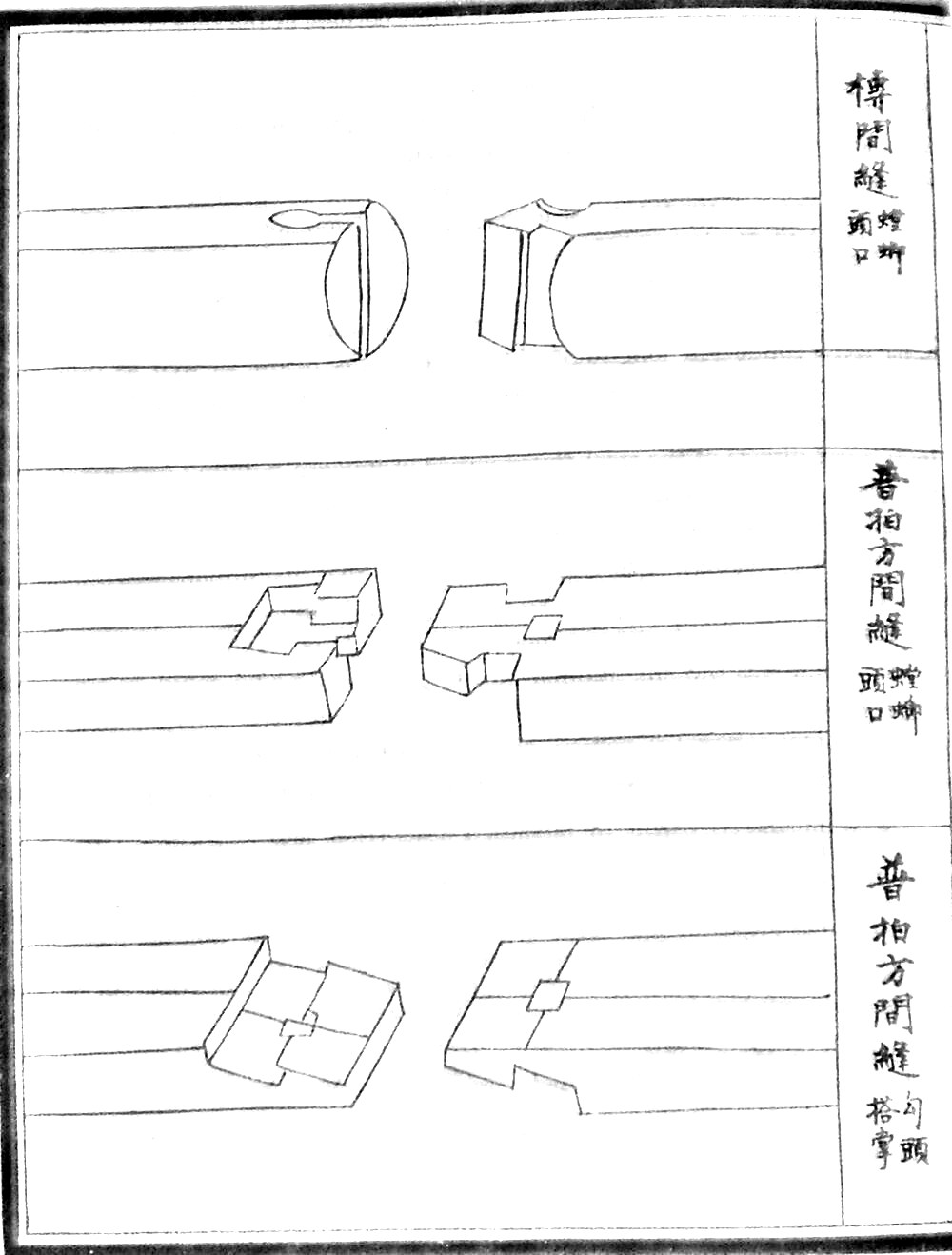
A tenon is cut to fit its mortise, and the two hold by shape. Tenon builds a game the same way: entity nodes spliced into one tree, each one seated where it belongs.
The node
The unit of the tree. Its fields are properties, and a property is not a node.
project.tproj
Binds an entity as another node's subsidiary. Declared in TML, not in a script.
At runtime
Instantiates that subsidiary onto a property.
STATE APART
02Lineage
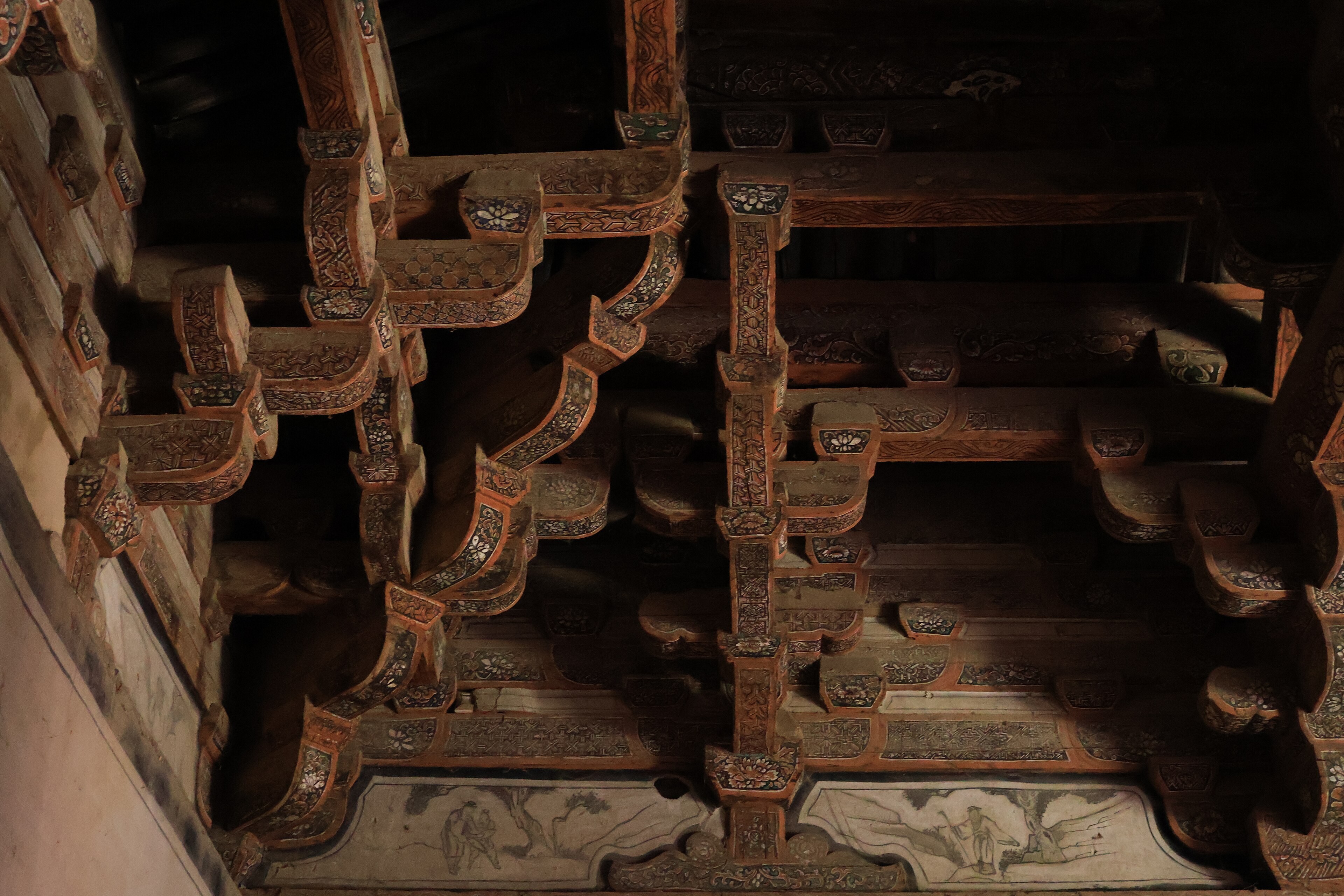
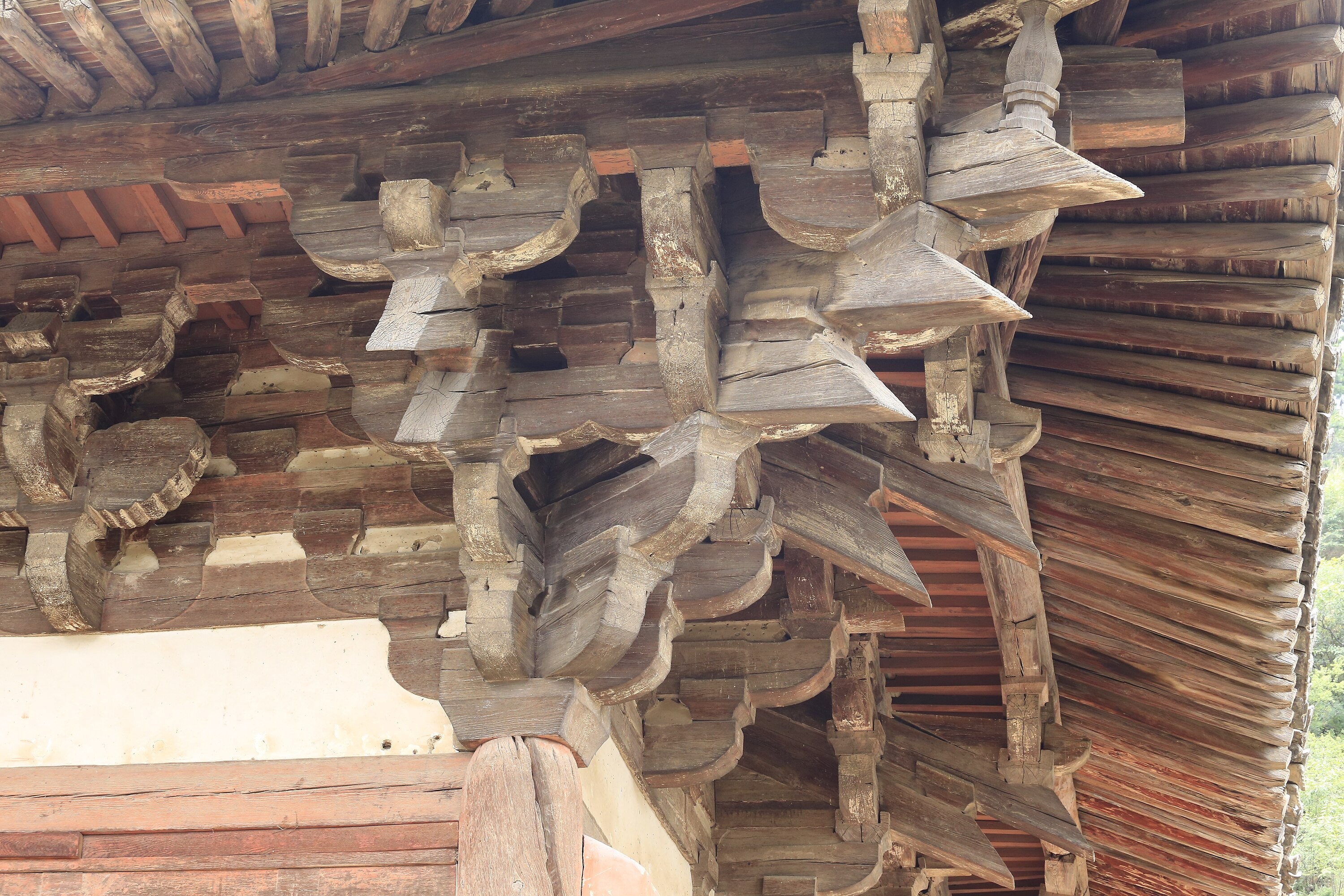
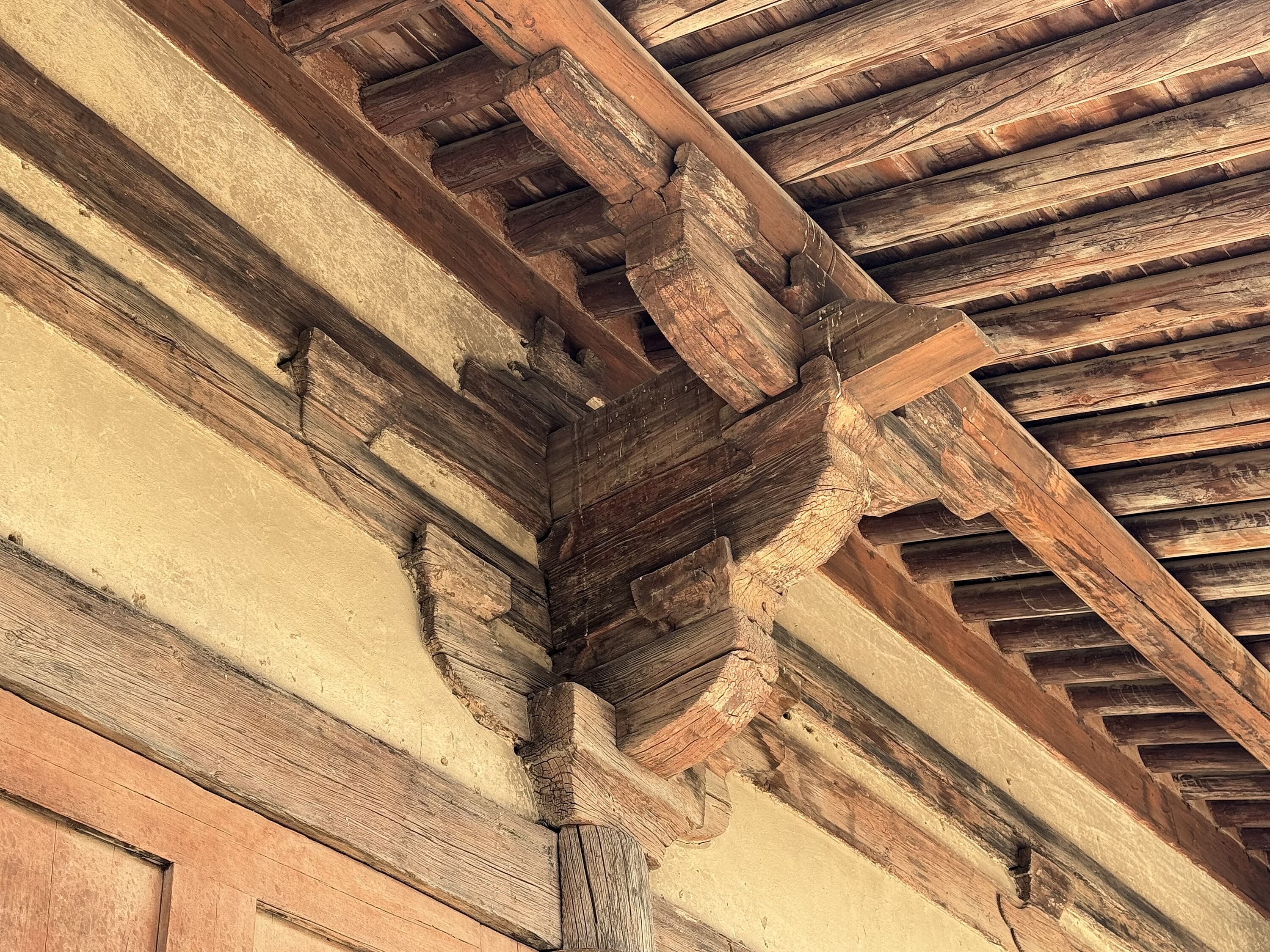
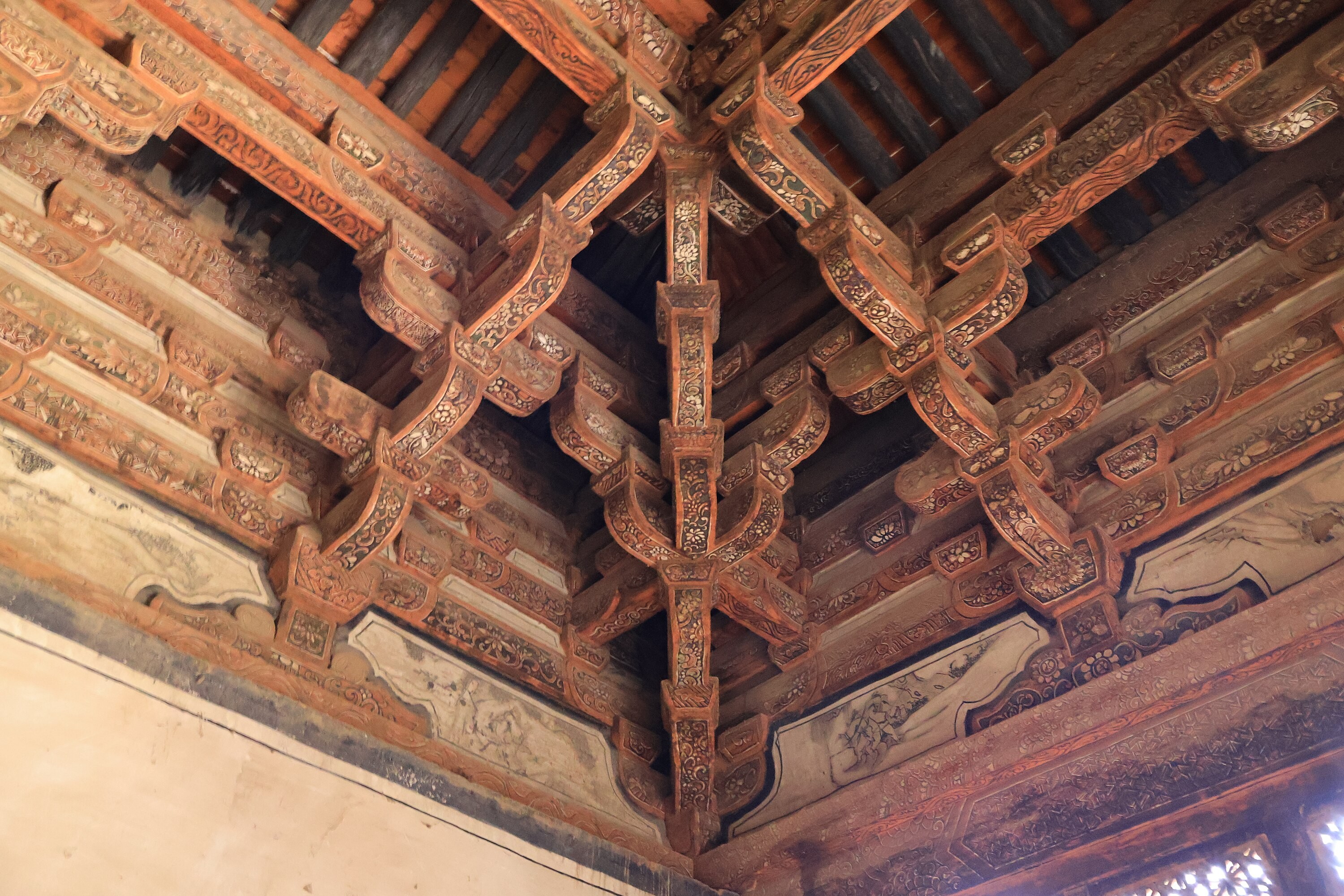
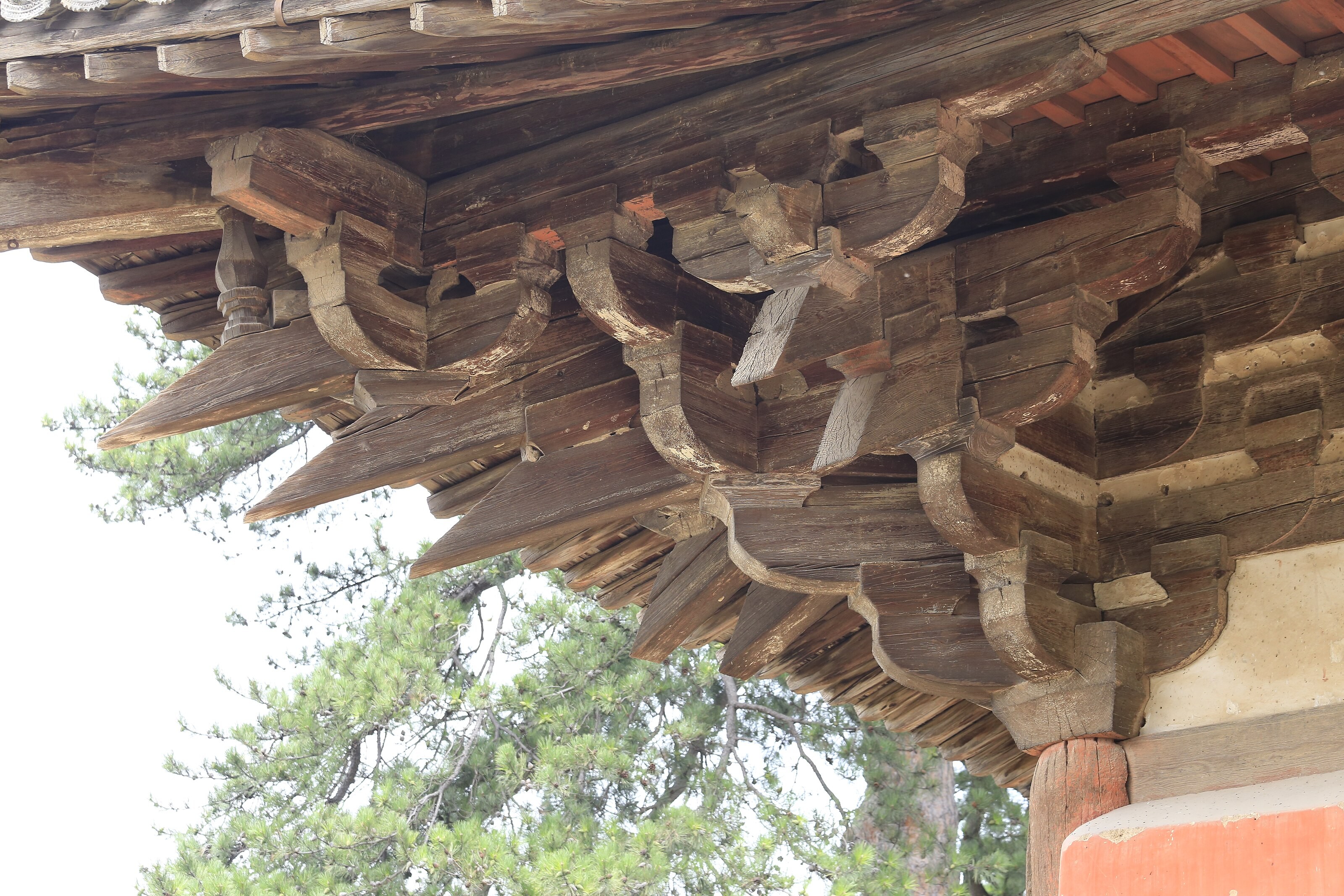
Mortise-and-tenon joinery has carried Chinese timber halls for more than a thousand years. Some of the buildings below have stood since the Tang dynasty.
03The model
The root node is the game itself. Everything else is spliced on. The tree is how the game is controlled: it says what exists and how it behaves. Rendering, physics and audio are backends. They are not nodes, and they never appear in the tree.
The unit you place, spawn and address. Data on a node lives in properties. A property is a field: it does not become a node, and it has no children.
A graft binds one entity as the subsidiary node of another. The binding is written in project.tproj, not in code. At runtime, attachment instantiates that subsidiary onto a property, so the instance sits exactly where the field says.
Every entity has a single block name, unique across the project. A script reaches it by writing $BlockName. Compilation resolves that to a NodePath. An AOT build lowers the path to a fixed index; under the VM the same lookup stays hot through an inline cache.
A .tns file holds game logic and nothing structural. The shape of the game is project.tproj. Configuration is project.tconf. Scripts change behavior. They do not describe structure.
Inside TDeps
Vulkan path tracing. No raster path underneath it.
Vulkan
Path tracing only. Hardware that cannot ray trace is unsupported.
Light
A physical atmosphere, volumetric clouds, ray-traced shadows.
OIDN
Denoising.
Jolt
Physics.
SDL3
Window and input.
Steam Audio
Spatial audio.
Tenon is built for AAA production. A machine without ray tracing is not a target.
04From the workshop
Announcements, progress notes and design writing.
The name comes from a joint that holds by shape. The engine is a tree of entity nodes, spliced the same way.
Not yet released
Tenon Engine is under active development. Follow along on GitHub.